DSLR vs. Mirrorless Cameras, Quick Comparison!
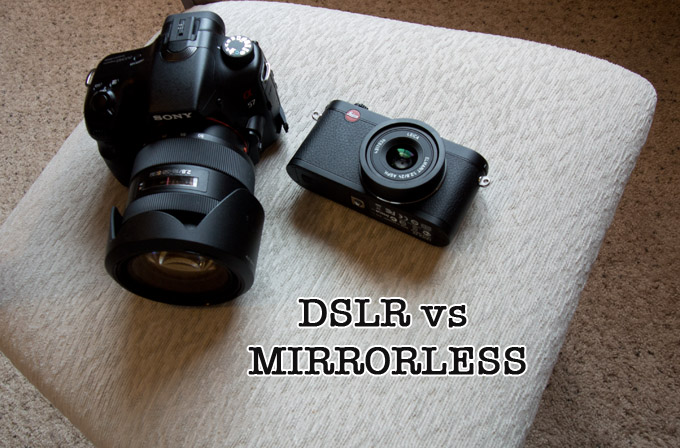
Single lens reflex (SLR) cameras have been around for more than a hundred years. Like their film-based predecessors, today's digital SLRs (DSLRs) use a mirror to divert the light from the lens into a viewfinder so you see exactly what the camera sees. When you take a picture, this mirror flips up out of the way, a shutter in front of the image sensor opens, and the sensor captures the image.
Mirrorless cameras, as the name suggests, don't need a mirror. Instead, the light passes through the lens and falls right onto the image sensor, as it does in point-and-shoot and phone cameras. To preview the image before you press the shutter button, you look at a screen on the back of the camera.
Early mirrorless cameras used to offer lower-quality images than DSLRs, with more noise (graininess) and worse color, because they used smaller image sensors that captured less light. But the manufacturers of mirrorless cameras have found ways to reduce the noise, using better (and often bigger) sensors and better image processors, and now there is no noticeable difference in image quality in most consumer models. High-end DSLRs use very large sensors called "full frame" sensors that have given them an edge at the high end. Sony's recent introduction of mirrorless cameras with a full-frame sensor, the A7 and A7R, could be an important step in closing the quality gap, even for high-performance cameras.


Sources :
Tom Guide


Comments
Post a Comment